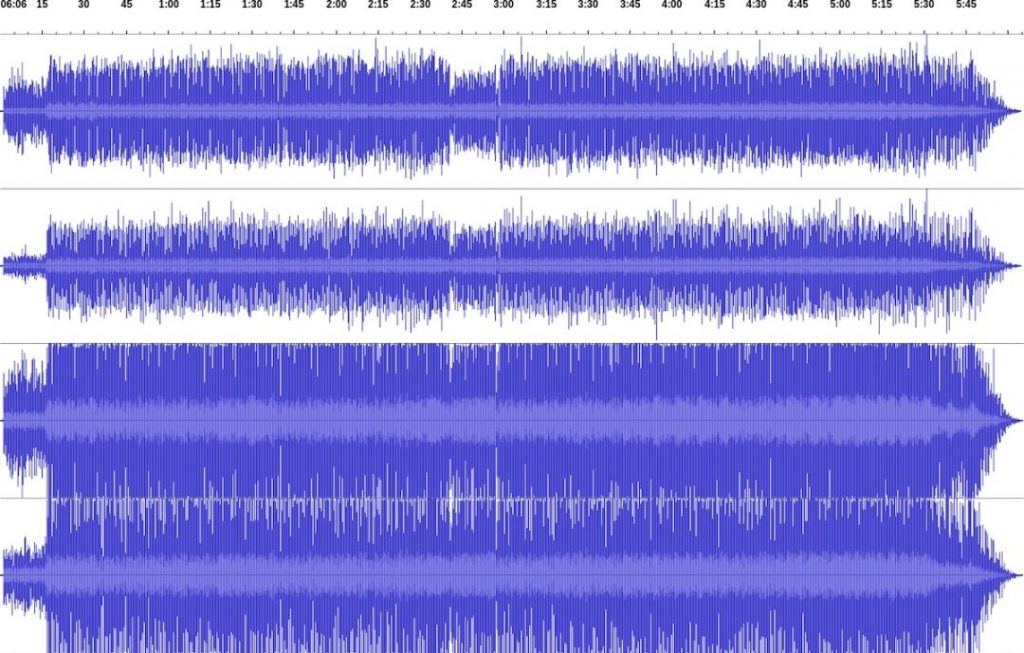
The Loudness Wars have significantly influenced the field of audio mastering, creating a controversial debate among industry professionals. This essay examines the effects of the Loudness Wars on audio mastering, exploring its impact on sound quality, dynamic range, listener experience, and the music industry as a whole.
Sound Quality and Dynamic Range:
The Loudness Wars, characterized by the race to produce louder recordings, have had a detrimental effect on sound quality and dynamic range. In an effort to make tracks stand out on the radio or streaming platforms, mastering engineers often push the loudness levels to their limits. However, this excessive loudness can result in compressed audio, reduced clarity, and compromised fidelity. The loss of dynamic range, which encompasses the difference between the softest and loudest parts of a recording, leads to a flattened sound that lacks depth and emotion.
Listener Experience:
The impact of the Loudness Wars on listener experience is a contentious issue. While some argue that louder tracks grab attention and create an initial impression, others contend that the constant high volume becomes fatiguing and diminishes long-term enjoyment. The lack of dynamics and sonic variation can lead to listener fatigue, making it more challenging to engage with the music on an emotional level. Additionally, the overemphasis on loudness can distort the original artistic intention of the music, potentially alienating discerning listeners who value subtlety and nuance.
Music Industry Implications:
The Loudness Wars have had far-reaching implications within the music industry. The pursuit of loudness has resulted in a homogenization of sound across various genres, with many songs becoming indistinguishable due to their compressed and limited dynamic range. Furthermore, this emphasis on loudness has affected the production process, as musicians and producers feel pressured to create mixes that meet the loudness standards set by popular tracks. Consequently, artistic expression and sonic diversity have been compromised, as artists are forced to conform to the industry’s demands rather than exploring their own unique sound.
Shift Towards Dynamic Music Production:
In recent years, there has been a growing movement towards dynamic music production and a rejection of the Loudness Wars. Musicians, producers, and mastering engineers have started to prioritize dynamic range and fidelity, striving for a more balanced and nuanced sound. This shift has been driven by advancements in streaming services’ loudness normalization algorithms, which aim to equalize the perceived loudness of different tracks. By embracing dynamic music production, artists can create more engaging and immersive experiences for listeners, allowing the music to breathe and convey its intended emotional impact.
The impact of the Loudness Wars on audio mastering has been significant, affecting sound quality, listener experience, and the music industry as a whole. However, there is a growing awareness of the drawbacks associated with excessive loudness, leading to a renewed focus on dynamic music production. This shift offers hope for a future where artistry and sonic integrity are prioritized, providing listeners with more diverse and engaging musical experiences.